Caribbean Food Centennial: Heritage Dishes With Lasting Appeal
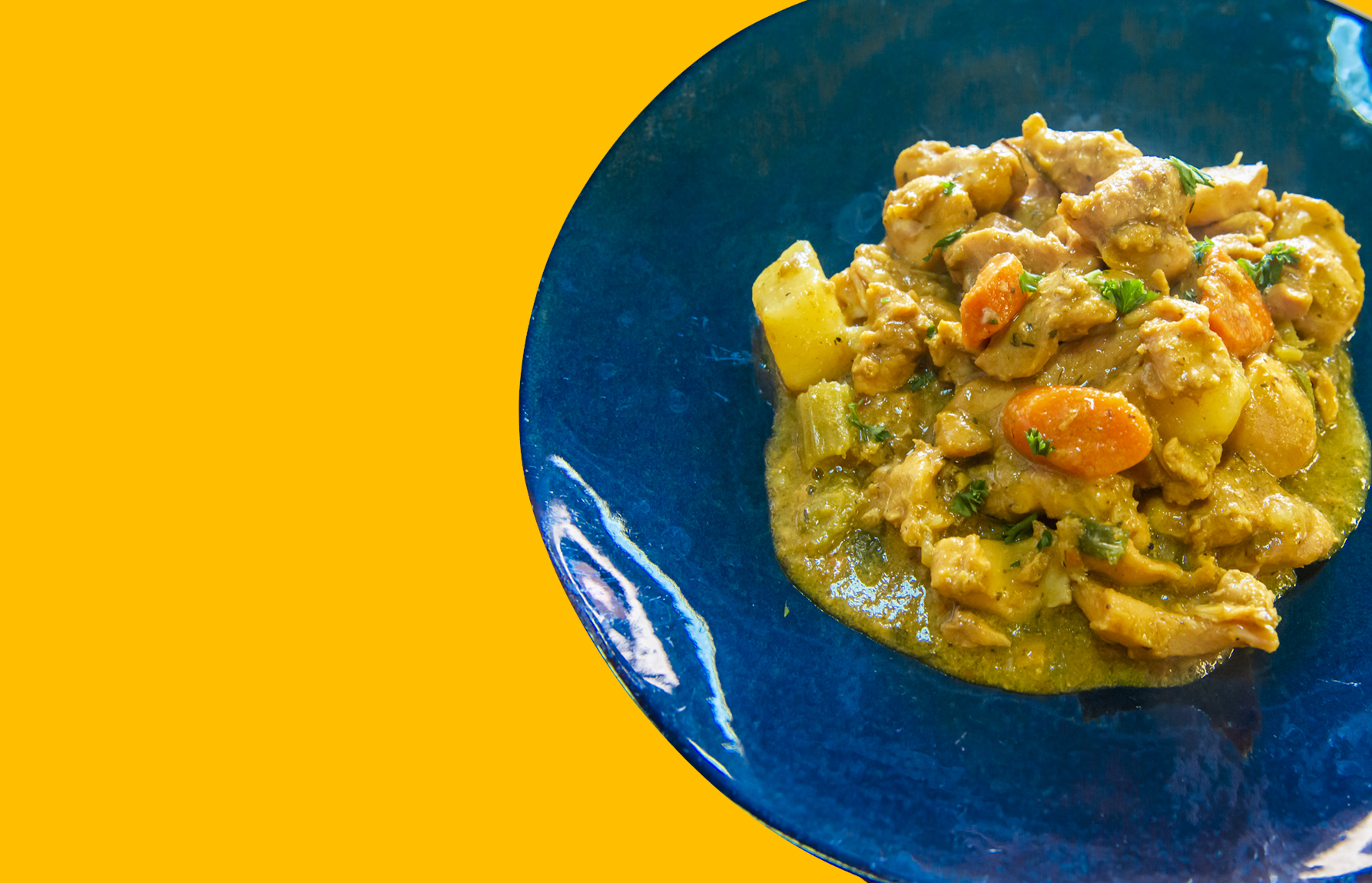

The phrase caribbean food centennial suggests a useful way to think about the region’s cooking, not as a trend cycle or a vacation cliché, but as a century-spanning record of survival, trade, memory, and adaptation. Across the Caribbean, dishes that still anchor family tables today were shaped by plantation economies, Indigenous knowledge, African culinary intelligence, Indian indentureship, Chinese migration, European colonial habits, and the practical realities of island life. What lasted did so for good reason. These foods fed large households, traveled well, used local ingredients intelligently, and carried flavor boldly enough to survive substitution, scarcity, and migration.
That durability is part of what makes Caribbean cooking so compelling. It is not static heritage preserved behind glass. It moves. A pot of sancocho in the Dominican Republic, pelau in Trinidad, pepperpot in Guyana, rice and peas in Jamaica, callaloo in several islands, and saltfish dishes across the region all show the same pattern: old methods holding steady while ingredients and preferences shift around them. The result is cuisine with memory built into it.
A hundred years is a long lens, but it clarifies what matters. The dishes that endure are rarely the most ornate. They are usually the ones with a strong internal logic, layered flavor, sound technique, and emotional authority. They belong at Sunday lunch, on roadside menus, at wakes, weddings, market stalls, and ordinary weeknights. They are practical and ceremonial at once.
What gives a dish staying power in the Caribbean
Lasting appeal in Caribbean food is not accidental. A dish survives because it answers several needs at once. It must be satisfying enough to gather people, adaptable enough to work with what is available, and distinctive enough that one bite tells you where you are, or where your people came from.
Salted fish is a good example. It appears in various forms across the region because salting solved a shipping and storage problem long before refrigeration was common. Over time, necessity turned into preference. Once cooks learned how to soak, flake, sauté, and season salted cod or mackerel, the ingredient became central to beloved dishes rather than a mere substitute. Ackee and saltfish in Jamaica, buljol in Trinidad and Tobago, and saltfish fritters in several islands each reveal a similar principle: preservation techniques can become flavor traditions.
Starches tell a parallel story. Plantain, cassava, yam, breadfruit, green banana, rice, and ground provisions remain central because they are dependable, filling, and agriculturally suited to the region. They also pair naturally with richly seasoned stews and gravies. Caribbean cooks understand proportion in a tactile way. A salty braise, a peppery stew, or a coconut-heavy sauce needs a calm, substantial companion. That is why so many enduring meals balance protein with dense, earthy sides.
Technique matters too. Browning sugar for stews, marinating overnight in green seasoning, cooking low and slow with bones, layering fresh herbs at different stages, and building pepper heat without overwhelming the dish are not incidental habits. They are the architecture of flavor. Recipes may vary by island or household, but the discipline behind them is recognizable across the region.
Rice and peas, a lesson in economy and grace
Few dishes demonstrate Caribbean culinary intelligence better than rice and peas. In Jamaica, the “peas” are often kidney beans or gungo peas, simmered with coconut milk, thyme, scallion, Scotch bonnet, and allspice, then cooked with rice until the grains absorb both fragrance and fat. Versions elsewhere shift in bean choice, seasoning blend, and texture, but the appeal remains obvious.
It is a complete dish in spirit even when served alongside meat. The legumes bring body, the rice stretches the pot, coconut caribbean food centennial adds richness, and aromatics give it identity. It can accompany jerk chicken at a large gathering or stand beside stewed fish at a modest family meal. It reheats well. It scales up beautifully. It also tastes like care, because getting it right requires judgment. Too much coconut and it turns heavy. Too little salt and the beans flatten. Overcook the rice and the whole thing loses dignity.
That kind of dish tends to last through generations because it teaches instinct. Younger cooks learn by watching texture, smelling steam, and listening to the older person at the stove say the liquid is right, or not yet. Recipes can document ingredients, but not always the sensory cues that define success. Caribbean food has always relied on these cues. They are one reason heritage dishes remain resilient even when written formulas vary.
Pepperpot and the long memory of preservation
Pepperpot, especially in Guyana, deserves attention whenever the conversation turns to enduring Caribbean dishes. It is one of those foods that speaks in deep tones. Traditionally made with cassareep, the dark, reduced juice of cassava, along with meat and warming spices, pepperpot carries Indigenous influence at its core. It is often associated with Christmas, but its significance extends beyond the holiday.
Cassareep does several jobs at once. It contributes bitterness, sweetness, color, and a preserving quality that historically allowed the stew to be reheated over several days. That alone tells you much about the practical wisdom behind the dish. Long before food writers became interested in nose-to-tail cooking or culinary sustainability, Caribbean and Indigenous cooks were already building dishes around endurance, safety, and efficient use of ingredients.
Pepperpot also shows that “lasting appeal” does not always mean instant accessibility. It is not necessarily the first Caribbean dish a newcomer falls in love with. Its flavor is dark, mature, and layered. But dishes that become markers of home do not need to flatter every palate on first encounter. They need depth enough to reward repetition. Pepperpot has that depth.
Callaloo, not one dish but a family of ideas
Callaloo is often described too narrowly, and that misses the point. Depending on where you are, it may refer to leafy greens cooked down with coconut milk, okra, aromatics, crab, pigtail, or other components. It may be silky or rustic, thick enough for a side dish or fluid enough to be ladled. The leaves themselves differ by island. Amaranth, taro bush, dasheen bush, spinach substitutes, and local greens all enter the conversation.
This variability is not a weakness. It is exactly why callaloo has lasted. It is less a single fixed recipe than a regional grammar for turning greens into something substantial and deeply flavored. Where one household uses crab for sweetness and salinity, another leans on smoked meat. Where one cook values a smoother finish, another wants more texture. In every case, the dish makes use of available greens while transforming them through layered seasoning and slow cooking.
Callaloo also reflects one of the strongest through-lines in Caribbean cuisine: the refusal to treat vegetables as an afterthought. Greens are not automatically virtuous or bland. They are opportunities for complexity. A good pot of callaloo can carry smoke, heat, minerality, creaminess, and the subtle thickening power of okra without collapsing into muddiness. That balance is harder to achieve than it looks.
The prestige of the one-pot meal
Throughout the Caribbean, one-pot dishes remain central because they solve real problems elegantly. Pelau, cook-up rice, rundown, oil down, and various forms of stewed rice dishes allow cooks to build a complete meal in a single vessel while drawing maximum flavor from modest ingredients. These are not compromise foods. At their best, they are the cuisine’s master classes in timing and restraint.
Pelau from Trinidad and Tobago is a good case study. Browning sugar until it edges toward bitterness, then using that caramel to coat meat before adding rice, pigeon peas, coconut milk, and herbs, creates a depth that feels bigger than the ingredient list suggests. The dish depends on confidence. Burn the sugar and the pot turns acrid. Pull it too early and the flavor lacks backbone. Add too much liquid and the rice loses structure. Yet when it works, it tastes like celebration and routine folded together.
Oil down from Grenada offers a different version of the same brilliance. Breadfruit, coconut milk, dumplings, salted meat or fish, and turmeric stain the pot with richness while steam and residual heat do the final work. It is communal by nature. You do not make it timidly, and you rarely make it for one. Its longevity comes from that shared character as much as from its taste.
These dishes endure because they embody island logic. Fuel was not always cheap, ingredients were not always abundant, and feeding several people required planning. A well-made one-pot meal honors all of those realities while still feeling generous.
Fish, salt, smoke, and the genius of coastal cooking
Caribbean food cannot be discussed seriously without acknowledging the centrality of fish. Yet what matters is not only proximity to the sea. It is the range of methods that cooks developed around freshness, spoilage, and transport. Escovitch fish in Jamaica, for instance, balances crisp fried fish with a sharp pickled dressing of vinegar, onions, carrots, Scotch bonnet, and allspice. The acidic topping cuts richness while extending the life of the dish for a little longer in a hot climate. That is flavor working hand in hand with practicality.
Rundown, widely associated with Jamaican cooking, uses coconut milk reduced until it concentrates around fish, often mackerel, along with aromatics and pepper. The sauce thickens, intensifies, and clings. The dish tastes luxurious, but its roots are thrifty. It turns preserved or inexpensive fish into something deeply satisfying.
Flying fish in Barbados, stewed king fish in Trinidad, fish tea in Jamaica, and conch dishes in parts of the wider Caribbean all show the same pattern: a close understanding of what the sea provides and how seasoning can frame it without waste. Even where overfishing and environmental pressure have changed what is commonly available, the techniques remain relevant. Cooks substitute species, alter cook times, and preserve the spirit of the dish.
Street food often preserves heritage more faithfully than fine dining
There is a common mistake in food writing, especially outside the region, to focus on plated restaurant versions of Caribbean classics and treat them as the cuisine’s highest expression. In truth, some of the strongest guardians of tradition are street vendors, market women, bakery counters, and home-based cooks selling from coolers or small storefronts.
A doubles vendor in Trinidad works with astonishing precision during a rush. Bara must stay supple, channa must be soft but not mushy, pepper sauces have to be balanced, and the assembly must be fast enough to serve a line while still feeling personal. That level of practiced competence is culinary expertise, even if it does not appear under white tablecloths.
The same can be said for Jamaican patty shops, Haitian griot sellers, and stalls serving fried plantain with saltfish or fritters in communities across the islands. These foods stay alive because they are eaten frequently, not because they are romanticized occasionally. Repetition protects tradition. If a dish is part of the workday, the school run, the morning commute, and the post-church crowd, it remains culturally active.
Why these dishes still resonate with younger cooks
Heritage food lasts only if the next generation sees use in it. That use can be emotional, social, or economic. It can also be creative. Many younger Caribbean cooks do not want to reproduce every dish exactly as their grandparents did, and that is not a failure of tradition. It is tradition behaving normally.
What matters is whether the core logic survives. Browning meat properly before stewing it still matters. Marinating with thyme, garlic, onion, citrus, and pepper still matters. Respecting starch as an integral component rather than filler still matters. Building depth from bones, smoke, herbs, and time still matters.
At the same time, contemporary cooks are adapting around health concerns, migration patterns, and ingredient access. Some reduce sodium in saltfish dishes through longer soaking and more fresh seasoning. Others use locally available greens for callaloo abroad. In diaspora kitchens, canned coconut milk often replaces fresh grated coconut, and pressure cookers compress processes that once took half a day. These are real adjustments, not betrayals.
The dishes that continue to thrive tend to offer a mix of recognizability and flexibility. They can absorb change without losing their accent.
A few heritage dishes that continue to define the region
The Caribbean is far too diverse to compress into a shortlist, but a handful of dishes repeatedly surface in conversations about food that has endured for good reason:
- Rice and peas, for its balance, adaptability, and place at both everyday and celebratory meals.
- Pepperpot, for its deep historical roots and remarkable preservation logic.
- Callaloo, for turning local greens into something culturally distinct and endlessly adaptable.
- Pelau and related one-pot dishes, for their efficiency, depth, and communal spirit.
- Saltfish preparations, for showing how preservation methods became beloved flavor traditions.
None of these dishes survives on nostalgia alone. Each remains useful, delicious, and socially meaningful.
The role of migration in keeping old flavors alive
Some of the most moving examples of Caribbean food preservation happen far from the Caribbean itself. In London, Toronto, New York, Miami, and other cities with strong Caribbean communities, heritage dishes often take on extra weight. They become edible memory, a way to steady identity when everything else feels in motion.
That process changes the food in subtle ways. Scotch bonnet may be harder to source at the right ripeness. A yam available in one city may not have the same texture as what a cook knew at home. Certain fish species are replaced. Green figs become plantains, or vice versa, depending on what the market carries. Yet migration can also sharpen commitment. When a cook has to search across neighborhoods for dasheen bush or cassava bread, the effort itself becomes part of the tradition.
Restaurants in diaspora communities play a role, but home kitchens remain the real archive. It is in those kitchens that someone explains why the stew needs another few minutes, or why the coconut should not overpower the thyme, or why Christmas morning does not feel complete without a particular pot on the stove. Recipes travel best when attached to occasion.
What outsiders often misunderstand about Caribbean food
One persistent misunderstanding is that Caribbean cuisine is defined mainly by heat. Pepper is important, certainly, but heat alone is a crude reading of the food. The greater achievement lies in balance. Scotch bonnet brings fruitiness as much as fire. Allspice, thyme, culantro, cinnamon, clove, nutmeg, citrus, smoked meats, and coconut all contribute to profiles that are much more layered than many casual diners realize.
Another misconception is that Caribbean food is uniformly heavy. Some dishes are rich, yes, especially those designed for feast days or large gatherings. But the region also has brothy soups, bright pickled preparations, grilled fish, fruit-forward breakfasts, and vegetable-centered dishes with remarkable freshness. What can feel substantial to an outsider often reflects historical labor patterns. Food designed to sustain farmers, fishers, market sellers, and manual workers will naturally favor satiety.
A more subtle misunderstanding concerns repetition. Because several islands use overlapping ingredients, outsiders sometimes assume the dishes are interchangeable. They are not. Seasoning blends, texture expectations, preferred starches, ceremonial contexts, and even the desired degree of sweetness or smoke differ significantly. To say “Caribbean food” is useful only if one remembers it is a regional umbrella, not a single national cuisine.
Centennial thinking asks better questions
Approaching the subject through a centennial frame changes the conversation. Instead of asking which Caribbean dishes are most photogenic or easiest to market globally, it asks which foods have proven meaningful across decades. Which recipes persisted through war, migration, storms, recession, urbanization, and changing tastes. Which techniques remained because they worked. Which flavor combinations still command loyalty when newer foods compete for attention.
Those questions tend to direct us back to the same truths. Durability in Caribbean cooking comes from intelligence under pressure. It comes from people knowing how to coax magnificence from cassava, coconut, salted fish, tough cuts, leafy greens, rice, beans, and breadfruit. It comes from dishes built to feed many, stretch ingredients, and still leave room for pleasure.
For anyone interested in the idea of a caribbean food centennial, that is the real story. The region’s great heritage dishes lasted not because they were frozen in time, but because they remained useful and beloved as time moved on. They could anchor a holiday table, rescue a lean week, welcome a guest, and reassure someone far from home. Very few cuisines express resilience with such flavor.
The appeal endures because these foods still do what the best food has always done. They nourish, they gather, they remember.
Reggae Pot Jamaican Grill
Address: 7562 S University Blvd Unit C, Centennial, CO 80122
Phone: (303) 997-5623
FAQ About caribbean food centennial
What Jamaican dishes can I try in Centennial?
Reggae Pot Jamaican Grill serves Jamaican specialties such as jerk chicken, stewed oxtail, curry goat, and ackee and saltfish. Check the current menu for availability.
What is ackee and saltfish?
It is Jamaica’s national dish. The restaurant prepares ackee with salted cod, onions, thyme, tomatoes, garlic, black pepper, and pimento.
Can I order Jamaican food for pickup in Centennial?
Yes. Choose the Centennial location at 7562 S University Blvd Unit C when placing a takeout order.